Panjabi kadhi | Pakora kadhi recipe with chawal
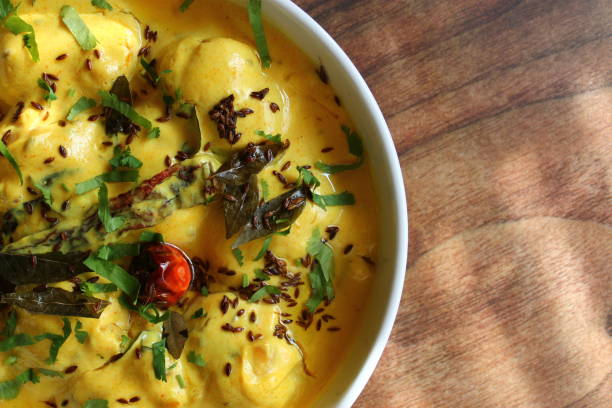
Kadhi: A Comforting Yogurt Curry
Kadhi is a traditional North Indian dish known for its tangy flavor and creamy texture. It’s a yogurt-based curry thickened with chickpea flour and seasoned with aromatic spices. Kadhi is often enjoyed with steamed rice or roti, making it a satisfying and comforting meal. This recipe will guide you through the process of making delicious Kadhi from scratch, including tips for achieving the perfect consistency and flavor.
Ingredients For Kadhi:
- 2 cups plain yogurt
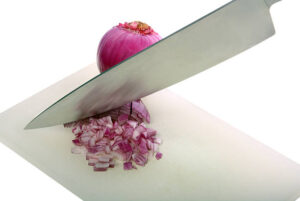
- 1 medium-sized onion, finely chopped
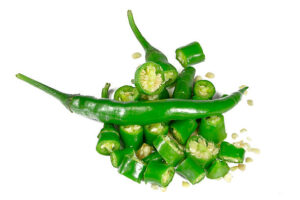
- 1-2 green chilies, finely chopped
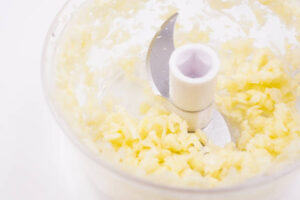
- 1/2 inch ginger, grated
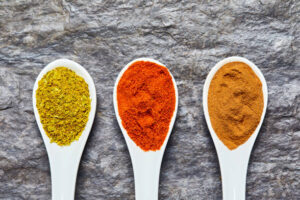
- 1/4 teaspoon turmeric powder
- 1/2 teaspoon red chili powder
- 1/2 teaspoon coriander powder
- Salt to taste

- Water, as needed

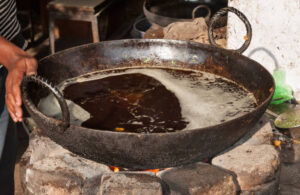
- Oil for deep frying ( choose the kadhai as per your choice)
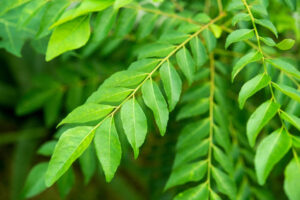
- 10-12 curry leaves
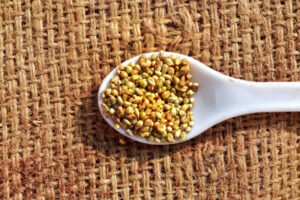
- 1/2 teaspoon fenugreek seeds
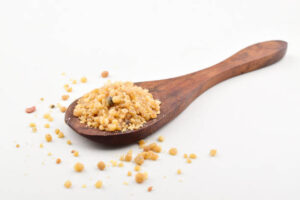
- A pinch of asafoetida (hing)
Preparation:
Prepare the Pakora Batter:
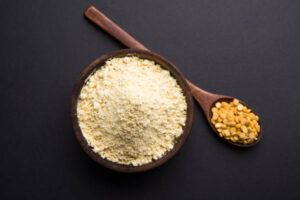
- In a mixing bowl, combine gram flour, chopped onions, green chilies (if using), carom seeds, turmeric powder, red chili powder, baking soda, and salt.
- Gradually add water while whisking to form a smooth batter. The consistency should be thick enough to coat the back of a spoon.
Shape the Pakoras:
- Heat oil in a deep frying pan or kadhai over medium heat.
- Drop spoonfuls of the batter into the hot oil, forming small fritters. Fry until golden brown and crispy. Remove from oil and drain on paper towels.
Prepare the Kadhi Base:
- In a large mixing bowl, whisk together plain yogurt and gram flour until smooth.
- Gradually add water while whisking to form a lump-free mixture.
Cooking:
Tempering for Kadhi:
- Heat oil in a deep saucepan or kadhai over medium heat.
- Add mustard seeds, cumin seeds, fenugreek seeds, dried red chilies, and asafoetida. Allow the seeds to splutter and release their aroma.
- Add grated ginger, chopped green chilies, and curry leaves. Sauté for a minute until fragrant.
Making the Kadhi:
- Lower the heat and slowly pour the yogurt-gram flour mixture into the pan while continuously stirring to prevent lumps from forming.
- Add turmeric powder, coriander powder, red chili powder, and salt. Stir well to combine.
Cooking the Kadhi:
- Bring the Kadhi to a gentle simmer over low heat, stirring occasionally. Allow it to cook for 20-25 minutes until it thickens slightly and the raw taste of gram flour disappears. Adjust the consistency by adding more water if needed.
Adding Pakoras:
- Once the Kadhi reaches the desired consistency, gently add the fried Pakoras to the curry. Simmer for another 5-10 minutes to allow the flavors to meld together.
Garnish and Serve:
- Garnish the Pakora Kadhi with fresh cilantro leaves for a burst of color and freshness.
- Serve hot with steamed rice or roti for a hearty and satisfying meal.
Tips and Variations:
- Vegetable Variations: Experiment with adding different vegetables to the Pakora batter, such as spinach, grated carrots, or finely chopped potatoes, to create unique flavor profiles.
- Spice Level: Adjust the amount of green chilies and red chili powder according to your preference for heat.
- Consistency: Kadhi tends to thicken as it cools, so adjust the consistency accordingly by adding water or simmering for longer if needed.
- Healthier Options: For a healthier version, you can bake the Pakoras instead of deep-frying them. Additionally, use low-fat yogurt or Greek yogurt for the Kadhi base.
- Serving Suggestions: Pakora Kadhi pairs well with a side of plain yogurt, pickle, or salad for added freshness and contrast.
Conclusion:
Pakora Kadhi is more than just a dish; it’s a celebration of flavors, textures, and culinary traditions. Whether enjoyed on a lazy weekend afternoon or served at festive gatherings, this classic Indian comfort food never fails to delight and satisfy. With its rich, creamy Kadhi and crispy, golden Pakoras, it’s a dish that brings people together and leaves lasting memories of warmth and comfort.
Chawal:-
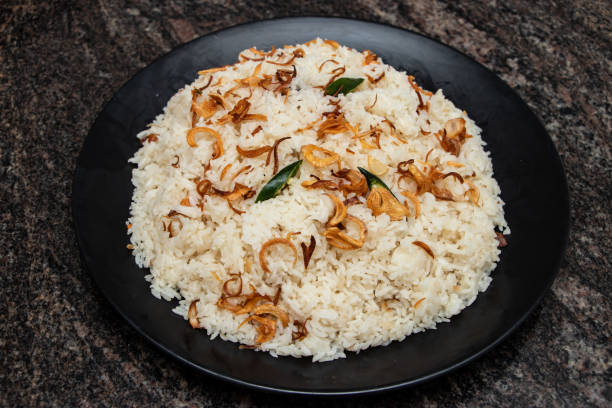
Steamed Basmati Rice Recipe:
Ingredients:
- 1 cup Basmati rice
- 2 cups water
- Salt (optional)
Instructions:
Rinse the Rice:
- Place the Basmati rice in a fine-mesh strainer and rinse it under cold water until the water runs clear. This removes excess starch and ensures fluffy, separate grains of rice.
Soak the Rice (optional):
- While soaking rice is not necessary, it can help in achieving longer, fluffier grains. Soak the rinsed rice in water for 15-30 minutes. Drain well before cooking.
Cook the Rice:
- In a medium-sized pot, bring 2 cups of water to a boil. You can add a pinch of salt to the water if desired for seasoning.
Add the Rice:
- Once the water is boiling, add the drained rice to the pot. Stir gently to ensure the rice is evenly distributed in the water.
Simmer:
- Reduce the heat to low and cover the pot with a tight-fitting lid. Allow the rice to simmer gently for 15-20 minutes, depending on the variety of Basmati rice used and your desired level of doneness.
Check for Doneness:
- After 15 minutes, check the rice for doneness. You can do this by gently fluffing the rice with a fork and tasting a few grains. The rice should be tender but still slightly firm.
Rest the Rice:
- Once the rice is cooked to your liking, remove the pot from the heat and let it sit, covered, for 5 minutes. This allows the steam to continue cooking the rice and ensures even texture throughout.
Fluff and Serve:
- After resting, uncover the pot and fluff the rice gently with a fork to separate the grains. Serve the steamed Basmati rice as a side dish with your favorite curries, vegetables, or protein-based dishes.
Tips:
- Use a 1:2 ratio of rice to water for perfect steamed Basmati rice.
- For added flavor, you can cook the rice in broth or add aromatics like whole spices (cinnamon, cardamom, cloves) to the water.
- Avoid stirring the rice while it’s cooking to prevent it from becoming sticky.
- Leftover steamed rice can be refrigerated and reheated later. To reheat, sprinkle a little water over the rice and steam it in a covered pot or microwave until heated through.
Enjoy your perfectly steamed Basmati rice as a delicious and versatile accompaniment to your favorite meals.
viste for more recipe: